Electric Winch and Manual Winch: Which Lifting Solution Fits Your Project?

Speed or Control?
Defining Your Project's Priorities

Whether you are pulling cabling through a dark tunnel, lifting construction materials to a second-floor scaffolding, or tensioning a wire fence, the physics are the same: you need to move a heavy load from Point A to Point B.

However, the tool you choose to do it can mean the difference between a job finished in an hour and a job that takes all day.

The debate between electric winch and manual winch options is one of the most common questions we get at HHM Machinery. Is it better to have the raw speed of a motor, or the reliability of a hand crank? The honest answer is:It depends entirely on your project.
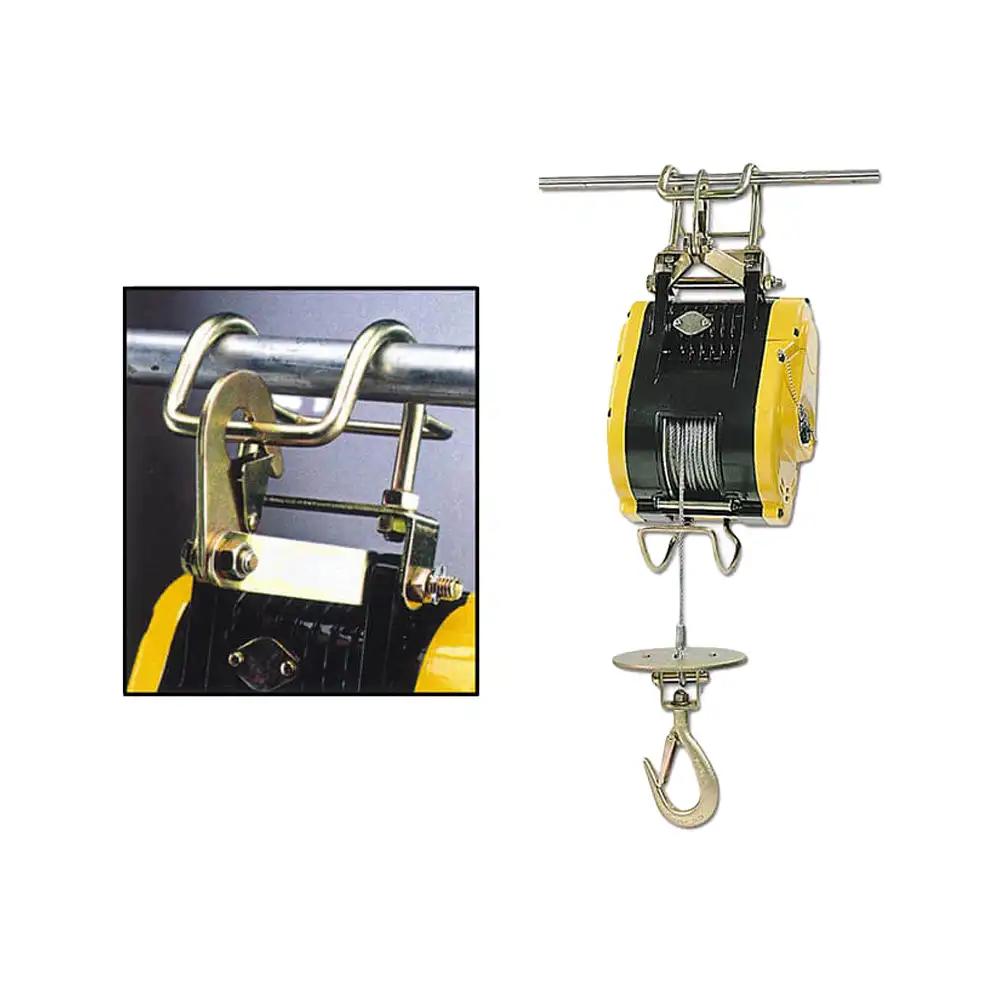
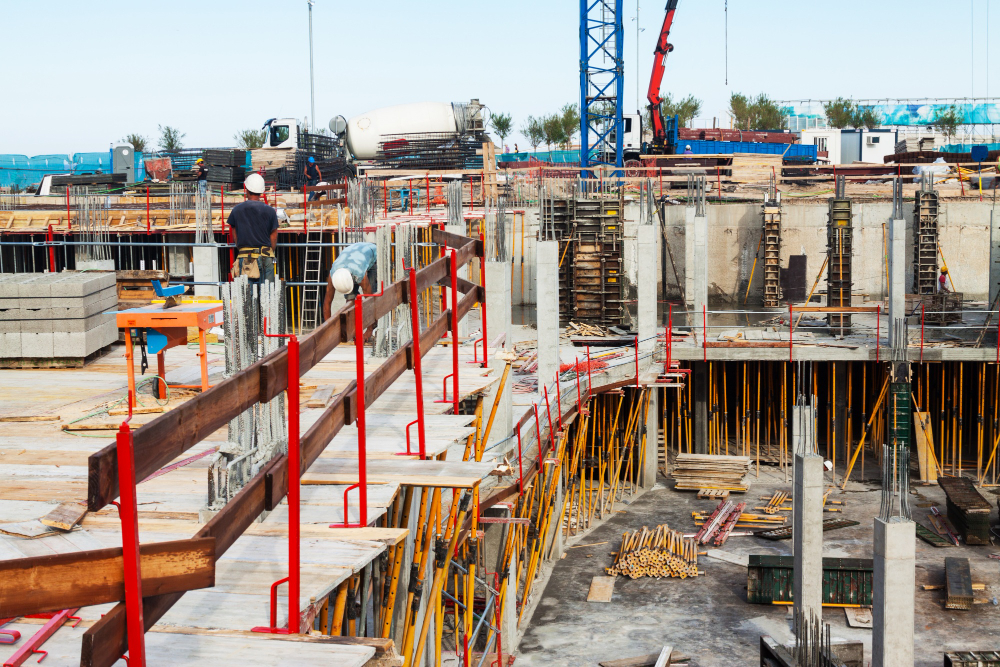
Electric and manual winches for different construction needs.
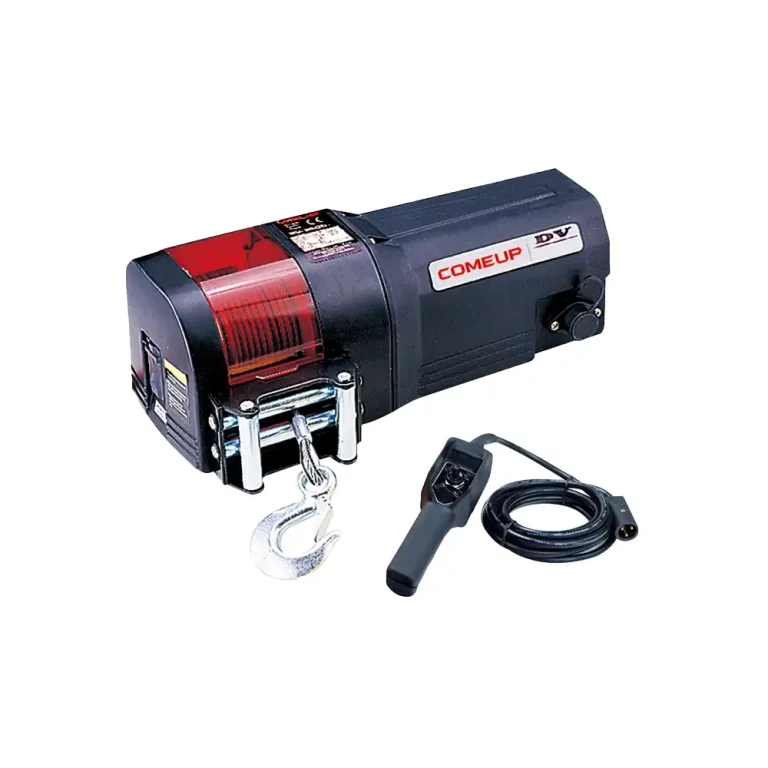
COME-UP Baby Winch CWS Series

Many successful workshops actually rely on both.
Here is a guide to understanding where each tool shines, so you can choose the right pulling equipment for your specific task.

The Case for Electric Winches: Speed & Volume

The electric winch is your “Production Engine.” If your project involves repetitive lifting or moving loads over long distances, this is the tool you need.

Where It Shines:

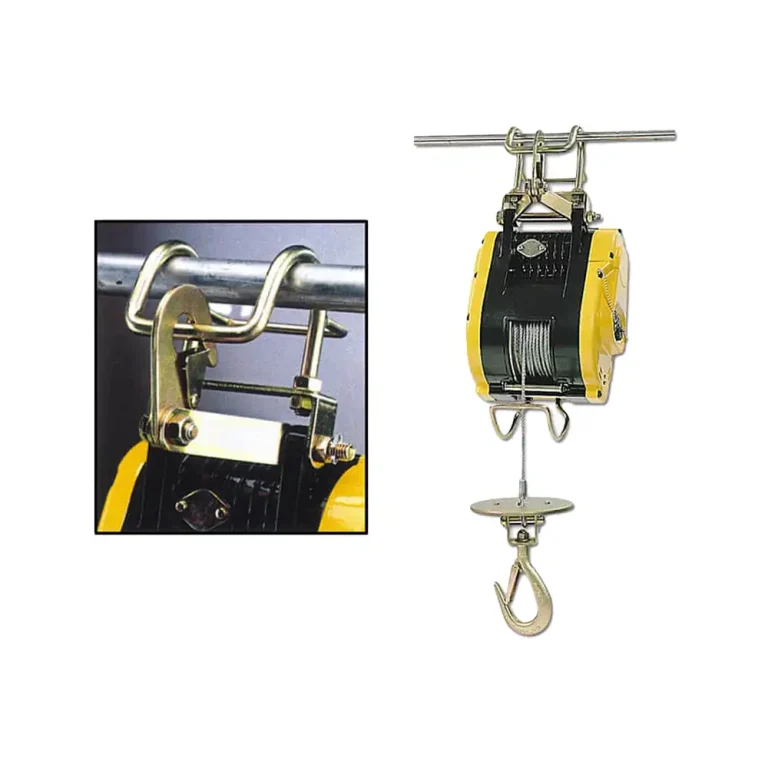
  1. High-Volume Lifting: If you need to lift 50 buckets of cement to the second floor in a single day, a manual winch will exhaust your crew before lunch. An electric winch like the Come Up Baby Winch (CWS Series) does the heavy lifting for you, keeping your workforce fresh and safe.
  2. Speed: With lifting speeds of up to 23 meters per minute, an electric winch keeps your project schedule moving. Time is money, and waiting for a load to be hand-cranked can be a costly bottleneck.
  3. Plug-and-Play Power: Modern units like the CWS Series run on standard domestic power. They offer industrial strength without needing a complex 3-phase setup.

Ideal for:

Construction sites
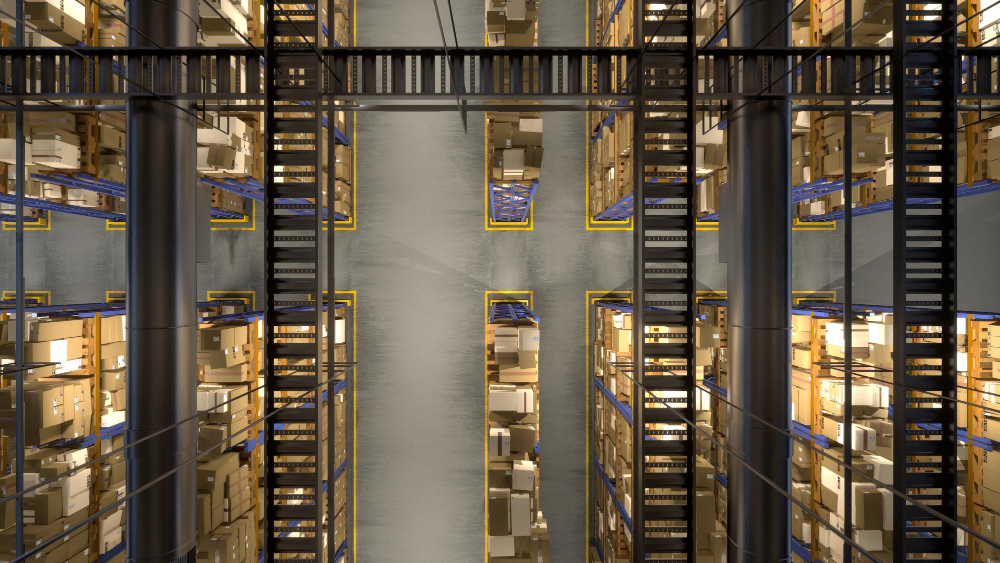
Busy warehouses
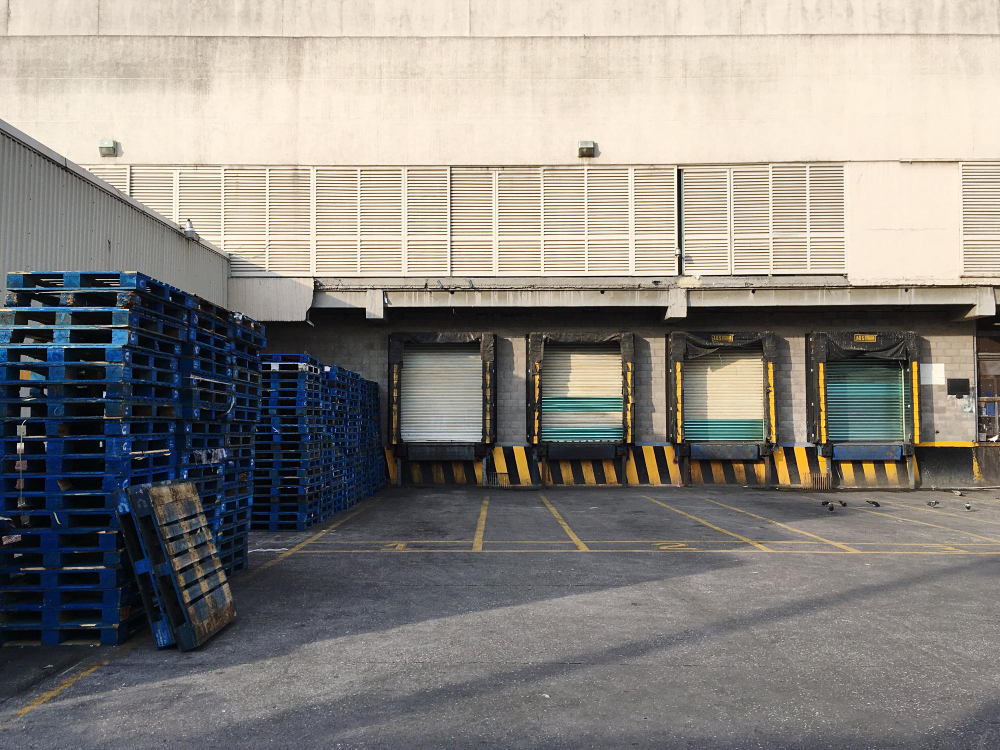
Daily loading bays

The Case for Manual Winches: Precision & Independence

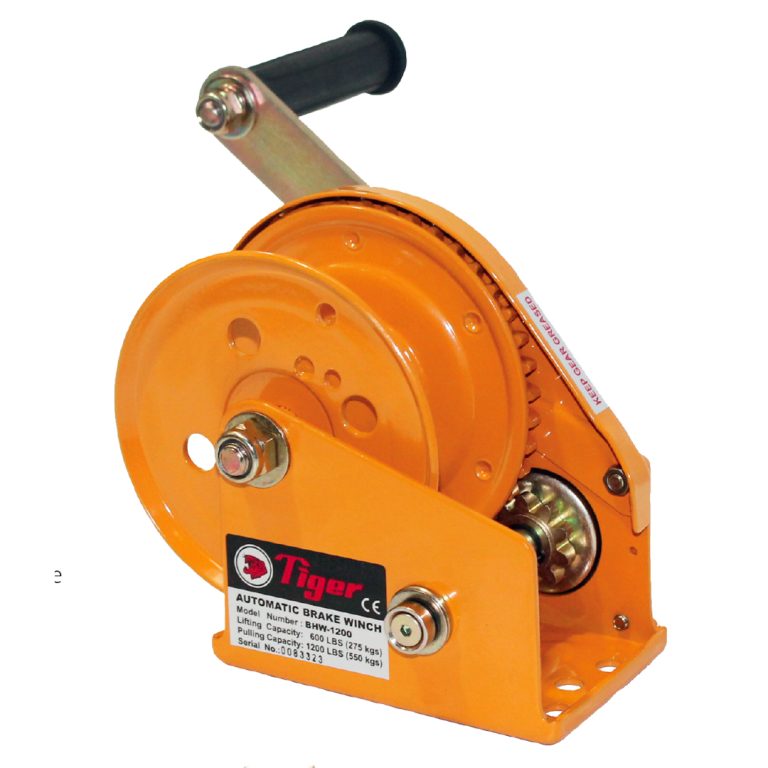
Do not underestimate the humble manual winch. It is the “Special Forces” of lifting—it works anywhere, anytime, with zero dependencies. For many professionals, the manual winch is just as essential as the electric one.

Where It Shines:

  1. Total Independence: No power outlet? No generator? A manual winch doesn’t care. It is the only solution for remote utility work, muddy trenches, or field repairs where electricity is unavailable.
  2. Micro-Precision: An electric motor is fast, but sometimes “Fast” is dangerous. When you are aligning a heavy engine part or setting a delicate mold, you need to move the load by mere millimeters. A hand crank gives you that tactile, fingertip control that a motor simply cannot match.
  3. Fail-Safe Reliability: With no electrical components to burn out and no wires to fray, a quality manual winch is incredibly durable. It is the perfect backup tool to keep in your truck for emergencies.

Ideal for:

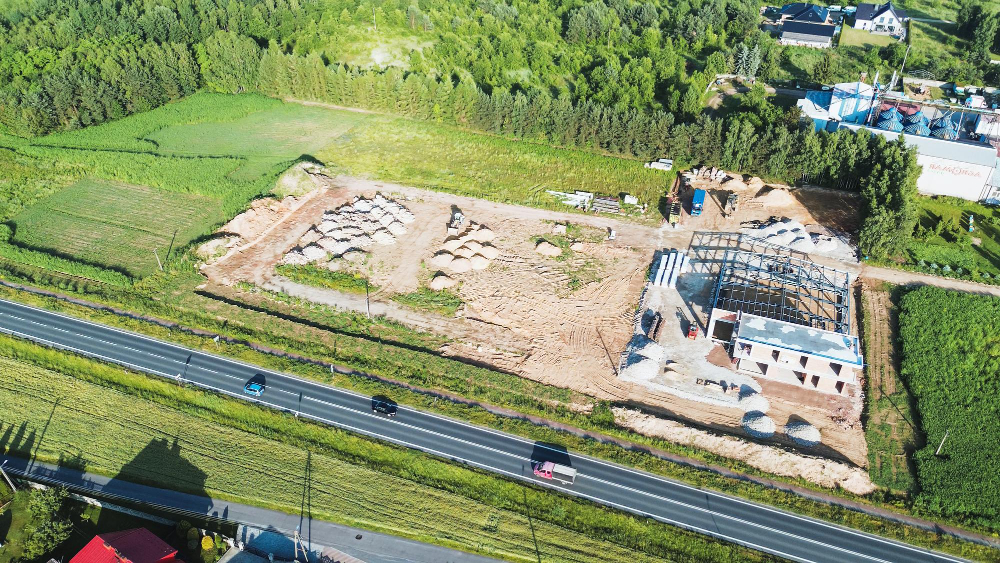
Greenfield construction sites (with no power)
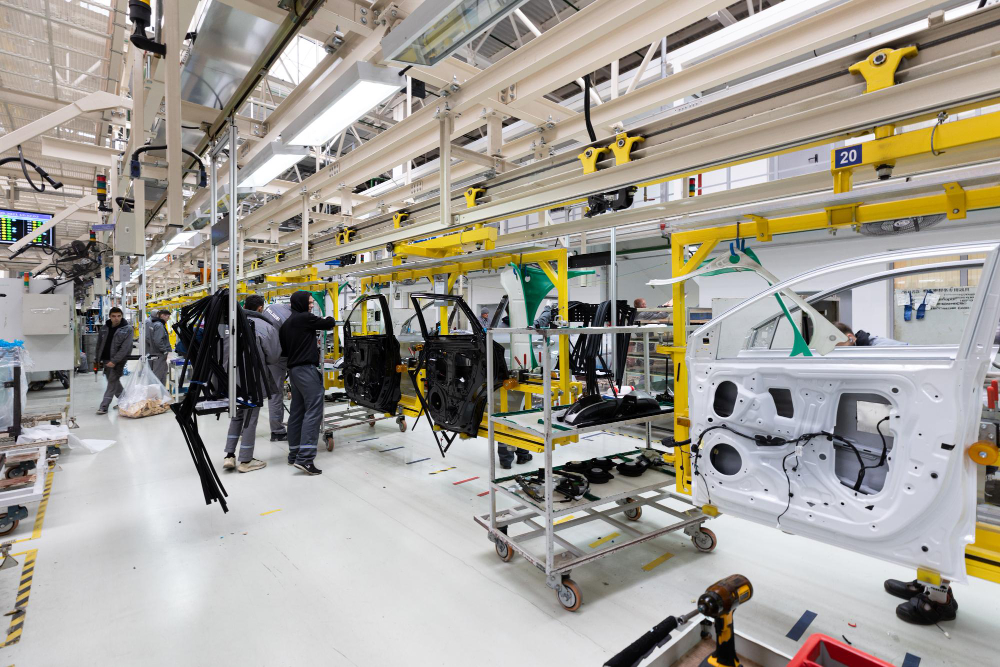
Manufacturing assembly lines
Outdoor, Wet, Damp, or Corrosive Environments

The Decision Checklist: How to Choose Your Winches

Still stuck between an electric winch and manual winch?
Use this simple 3-point checklist to decide what your site needs right now.

Decision FactorGo ElectricGo Manual
Power AccessReliable power is available.No power source nearby.
FrequencyConstant, repetitive lifting.Occasional or one-off lifts.
PrioritySpeed is the priority.Precision control is the priority.

We Supply the Full Spectrum.

At HHM Machinery, we don’t believe in “One Size Fits All.” We believe in equipping you with the right tool for the challenge at hand.

Whether you need the rapid production speed of the Come-Up Baby Winches or the rugged, go-anywhere capability of a heavy-duty TIGER hand winch, we have the stock ready. We offer a comprehensive range of electric winch and manual winch solutions, backed by our nationwide delivery and support network.

Not sure which model suits your tonnage?

Don’t guess. Chat with our lifting experts today to compare specs and prices.